
If your drains gurgle, your water runs rust-colored, or one patch of your yard stays damp for no clear reason, your plumbing is trying to tell you something. In older homes around Tempe, those small signs usually point to pipe materials that are simply worn out. The good news is that catching them early often means a quick fix instead of a dig through your yard or slab.
Why Older Tempe Homes Are at Higher Risk
Your home's age is the biggest factor, because builders used materials decades ago that we now know have a limited shelf life. If your house went up between the 1940s and the early 1970s, your sewer line may be Orangeburg pipe, which is compressed wood pulp sealed with coal tar. It was built to last about 50 years, so most of it is now past due. In fact, an Associated Press report covered by local station 12 News estimated that as many as 9 out of 10 Tempe homes could be affected by Orangeburg pipe, since it was widely used to connect homes to city sewer lines during that era.
Homes built before 1990 carry a second concern. Many still run on galvanized steel supply lines, which rust from the inside out. As rust and mineral buildup narrow the pipe, your pressure drops and your water starts to discolor. Either way, you are dealing with a slow decline rather than a sudden break, which is why pipe repairs and installations often start with a diagnosis instead of a wrench.
7 Warning Signs You Should Not Ignore
Most plumbing failures announce themselves quietly before they ever flood anything. Here are the signs worth acting on:
- Rust-colored or cloudy water, especially after the tap has sat unused for a few hours
- Slow-draining sinks, tubs, or showers that do not improve after a normal clog removal
- Gurgling sounds from one drain when you run water somewhere else
- Pooling water or unusually green, lush patches in your yard
- A steady drop in water pressure across the whole house
- Sewer backups that keep returning after a professional clears the line
- A musty or sewer-like smell near a drain or along one wall
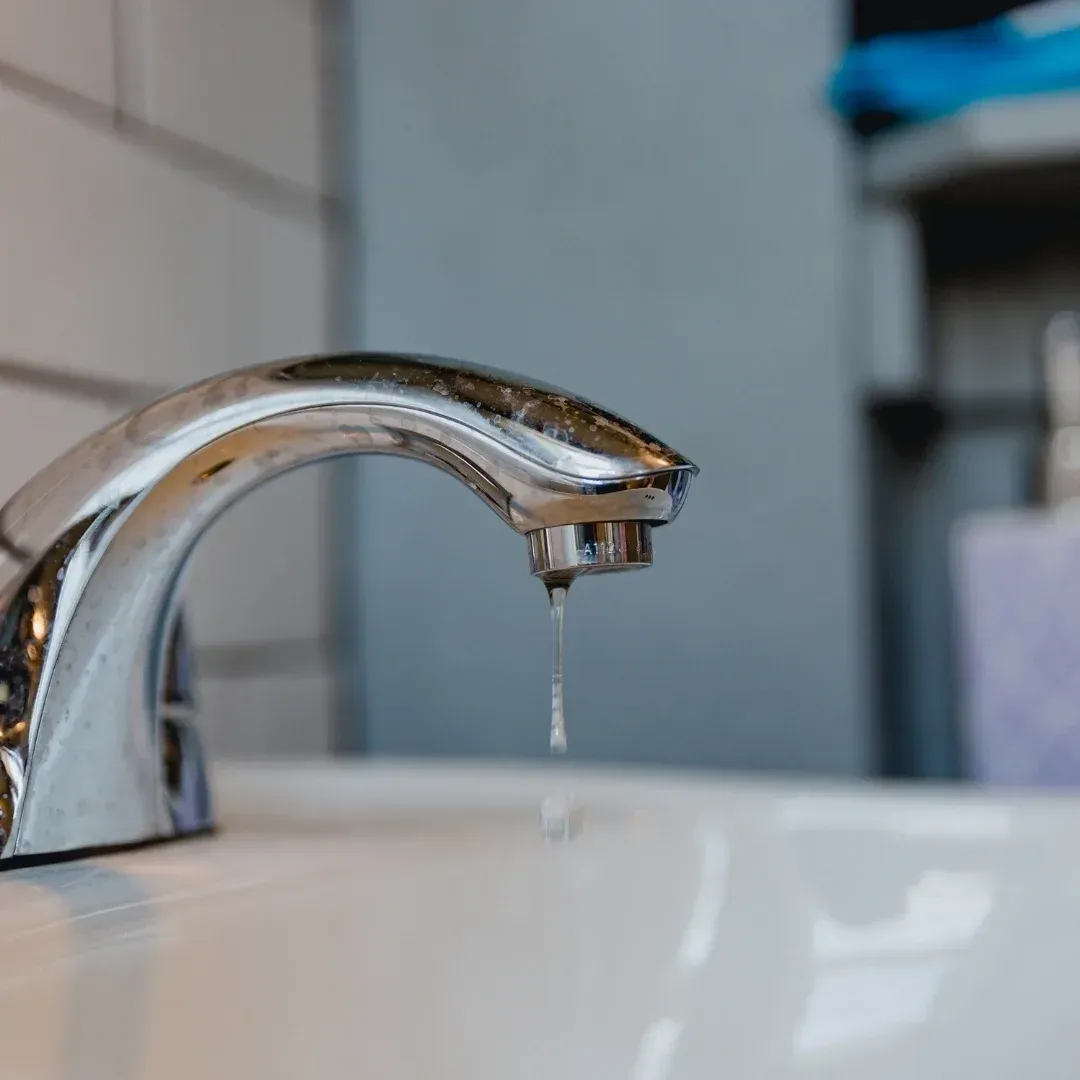
Any one of these on its own might be minor. However, when two or three show up together, or the same one keeps returning over a few months, your pipe system is likely nearing the end of its life. Even something small deserves attention, since a faucet that keeps dripping can point to pressure or corrosion problems further upstream.
What Happens When You Wait Too Long
Waiting turns a repair into a replacement, and it costs you water the entire time. According to the EPA's WaterSense program, the average household loses close to 10,000 gallons a year to leaks, and one in ten homes wastes 90 gallons or more every single day. You are paying for all of it on your monthly bill.
The damage does not stop at your water bill, either. Orangeburg pipe breaks down from the inside, so by the time you see standing water or smell sewage, the line may already be partly collapsed. Corroded galvanized lines fail differently. Mineral buildup keeps choking the pipe until pinhole leaks form inside your walls or under your slab. From there, you are often looking at stained or soft drywall that needs patching, plus warped or lifting flooring in the room next door.
What a Plumbing Inspection Includes
A proper inspection is quick, and it does not require tearing anything open. Here is what you can expect:
- Pressure Testing: We check water pressure at several fixtures to see whether the drop is isolated or house-wide.
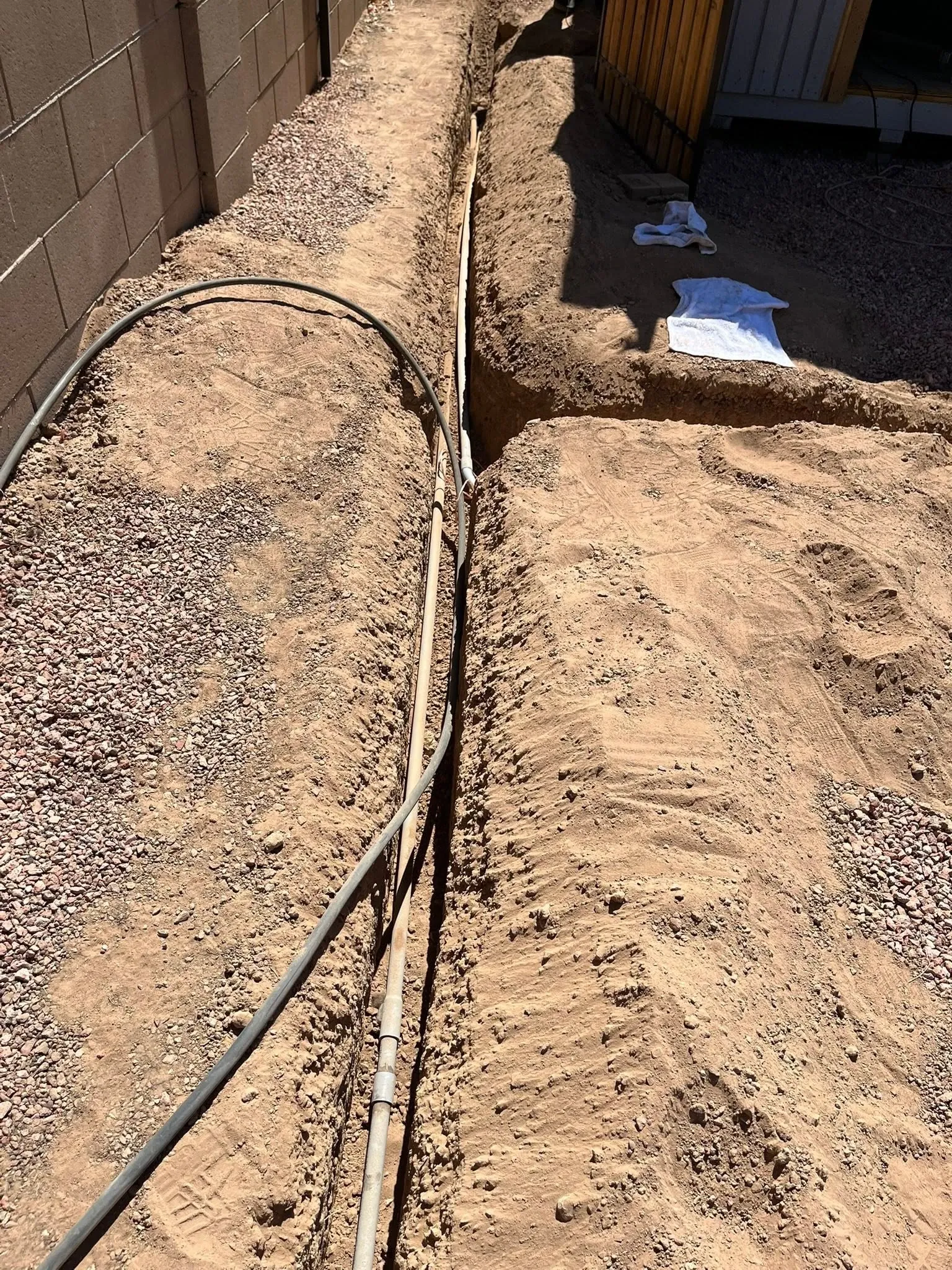
- Camera Scoping: A small camera runs through the main sewer line to find cracks, sagging, or blockages.
- Water Clarity Check: We run the taps after a period of non-use and look at color and sediment.
- Visual Pipe Review: Any exposed pipe in crawl spaces, garages, or utility areas gets a close look.
- Material and Age Review: Your build year tells us a lot about what is likely underground.
Fall is a smart time to schedule this. You are heading into the months when you host more people indoors, and a slow leak found in October beats a backup discovered during a holiday dinner. We handle this for homeowners across Tempe and the surrounding cities we serve, including Mesa, Chandler, Gilbert, and Scottsdale.
Repair or Replace: How to Decide
Not every problem calls for a full overhaul. The right answer depends on how much of the system is failing, not just how bad today's symptom looks.
| Your Situation | Usually the Better Move |
|---|---|
| One cracked or leaking section of pipe | Targeted repair |
| A single slow drain, no other symptoms | Clear the line, then recheck |
| Orangeburg sewer line near 50 years old | Full line replacement |
| Low pressure plus rusty water house-wide | Replace the galvanized supply lines |
| Backups that return after clearing | Replacement, since the pipe shape is likely the cause |
A good technician will walk you through both paths honestly and explain what each one actually fixes. That matters most when you are choosing between a patch and a full line, since the cheaper option is only cheaper if it holds.
Simple Habits That Protect Your Pipes
Prevention costs far less than emergency cleanup, and a few habits go a long way:
- Schedule a drain and sewer inspection every couple of years if your home was built before 1990.
- Keep grease and coffee grounds out of your kitchen drain, since both speed up buildup in older pipes.
- Watch your water bill for unexplained spikes, which often point to a hidden leak.
- Act on any change in water color or pressure instead of waiting to see if it clears up.
- Build plumbing checks into your seasonal home upkeep routine alongside roof and HVAC tasks.
FAQs About Plumbing Repairs
How do I know if my home has Orangeburg pipe?
Check your build year first. Homes built between 1940 and 1970 are the most likely candidates, and a sewer camera inspection is the only way to confirm the material without digging.
Is rust-colored water always an emergency?
No, but it usually means galvanized steel somewhere in your system is corroding. Have the water and pressure checked before the problem spreads.
Can a failing pipe be repaired without replacing the whole line?
Sometimes. If the damage sits in one short section, a targeted repair works fine. Widespread corrosion or a collapsed line needs full replacement.
How often should an older home have its plumbing inspected?
Every two years is a reasonable baseline for homes built before 1990. If you are already seeing warning signs, have it looked at sooner.
Schedule Your Plumbing Inspection Today
If your drains are sluggish or your pressure has dropped, do not wait for a bigger problem to surface. Call Tempe Handyman Pro at (480) 265-7565 for an honest inspection and straightforward repair options. We are licensed and insured, we offer free estimates, and we are available Monday through Friday, 8:00 am to 6:00 pm.
Share article
Recent posts